 Podit
Podit
📚 Female Genital Anatomy: A Comprehensive Study Guide
This study material is compiled from a detailed lecture audio transcript on female genital anatomy. It aims to provide a clear, comprehensive, and organized understanding of both external and internal structures, highlighting their crucial roles in the female reproductive system and overall health.
🌍 Introduction to Female Genital Anatomy
Understanding the intricate design of the female body is fundamental for health and well-being. This guide will take you on a detailed journey through the fascinating world of female genital anatomy, exploring both the external structures, collectively known as the vulva, and the internal reproductive organs. We will delve into each part's structure, location, and vital functions.
🌸 The External Structures: The Vulva
The term "vulva" refers to all the external female genitalia. It is crucial to remember that the "vagina" is an internal canal, not an external part. The vulva comprises several key components, each contributing to protection, sensation, and overall function.
✅ Key Components of the Vulva:
-
Mons Pubis
- Description: A mound of fatty tissue located over the pubic bone.
- Characteristics: Covered by skin and pubic hair after puberty.
- Function: Acts as a protective cushion for the pubic bone.
-
Labia Majora (Greater Lips)
- Description: Two fleshy folds of skin extending downwards and backwards from the mons pubis.
- Characteristics: Contain fat, sebaceous glands, and hair follicles.
- Function: Protect the more delicate inner structures of the vulva.
-
Labia Minora (Lesser Lips)
- Description: Two smaller, hairless folds of skin located inside the labia majora.
- Characteristics: Rich in blood vessels and nerve endings, making them highly sensitive.
- Function: Enclose and protect the clitoris, urethral opening, and vaginal opening.
-
Clitoris
- Description: A small, highly sensitive organ located at the upper junction of the labia minora.
- Characteristics: Composed of erectile tissue, similar to the male penis.
- Components:
- Glans Clitoris: The visible tip of the clitoris.
- Clitoral Hood: A fold of skin that covers and protects the glans clitoris.
- Function: Primarily responsible for sexual pleasure and sensation.
-
Urethral Opening
- Description: An opening located just below the clitoris.
- Function: The exit point for urine from the body.
-
Vaginal Opening (Introitus)
- Description: The entrance to the vagina, located below the urethral opening.
- Function: Serves as the entry point for sexual intercourse and the exit point for menstrual flow and childbirth.
-
Perineum
- Description: The area of skin and muscle situated between the vaginal opening and the anus.
- Function: Provides structural support to the pelvic floor.
internally ♀️ The Internal Structures: Reproductive Organs
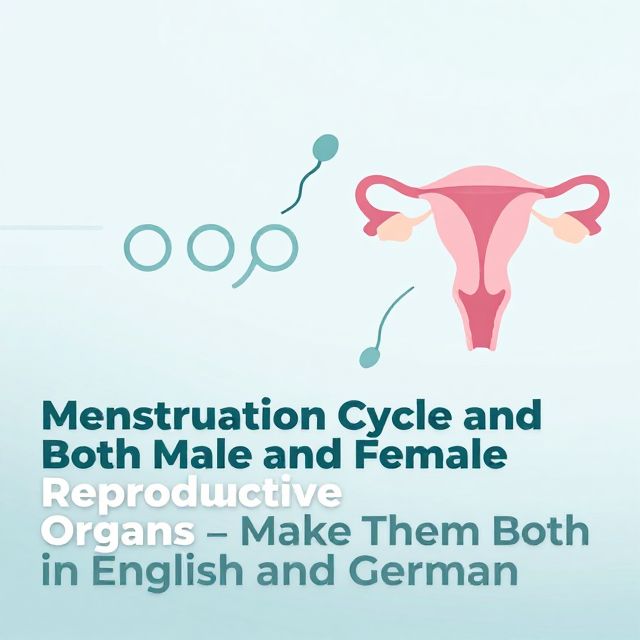
Moving deeper, the internal female reproductive organs form a complex and interconnected system essential for reproduction and hormonal balance.
✅ Key Internal Reproductive Organs:
-
Vagina
- Description: A muscular, elastic canal extending from the vulva to the cervix.
- Functions:
- Pathway for menstrual flow.
- Birth canal during childbirth.
- Organ for sexual intercourse.
-
Cervix
- Description: The lower, narrow part of the uterus that connects to the vagina.
- Characteristics: Acts as a "gatekeeper."
- Functions:
- Allows sperm to enter the uterus.
- Permits menstrual blood to exit.
- Forms a protective barrier during pregnancy.
- Dilates during childbirth to allow the baby to pass through.
-
Uterus (Womb)
- Description: A pear-shaped, muscular organ located above the cervix.
- Function: Where a fertilized egg implants and develops into a fetus during pregnancy.
- Layers of the Uterus:
- Perimetrium: The outer protective layer.
- Myometrium: The thick, muscular middle layer responsible for contractions during labor.
- Endometrium: The inner lining that thickens each month in preparation for pregnancy. If pregnancy does not occur, this layer sheds during menstruation.
-
Fallopian Tubes (Oviducts)
- Description: Two tubes extending from the upper sides of the uterus towards the ovaries.
- Function: Act as pathways for eggs to travel from the ovaries to the uterus.
- 💡 Insight: Fertilization (the union of sperm and egg) typically occurs within these tubes.
-
Ovaries
- Description: Two almond-shaped organs located at the ends of the fallopian tubes.
- Functions:
- Oogenesis: Produce eggs (ova), which are released during ovulation.
- Hormone Production: Produce key female hormones, primarily estrogen and progesterone, which regulate the menstrual cycle and support pregnancy.
📊 Key Takeaways and Importance
Understanding the intricate landscape of female genital anatomy is more than just academic knowledge; it is fundamental to understanding one's own body, health, and reproductive journey.
- External vs. Internal: We distinguished between the external vulva (mons pubis, labia, clitoris, urethral opening, vaginal opening, perineum) and the internal reproductive organs (vagina, cervix, uterus, fallopian tubes, ovaries).
- Functional Roles: Each component plays a specific and vital role, from protection and sensation to reproduction and hormonal regulation.
- Empowerment through Knowledge: This knowledge empowers individuals to make informed decisions about their health and appreciate the incredible complexity and resilience of the human body.
⚠️ Always prioritize your health and continue to seek knowledge about your body.