 Podit
Podit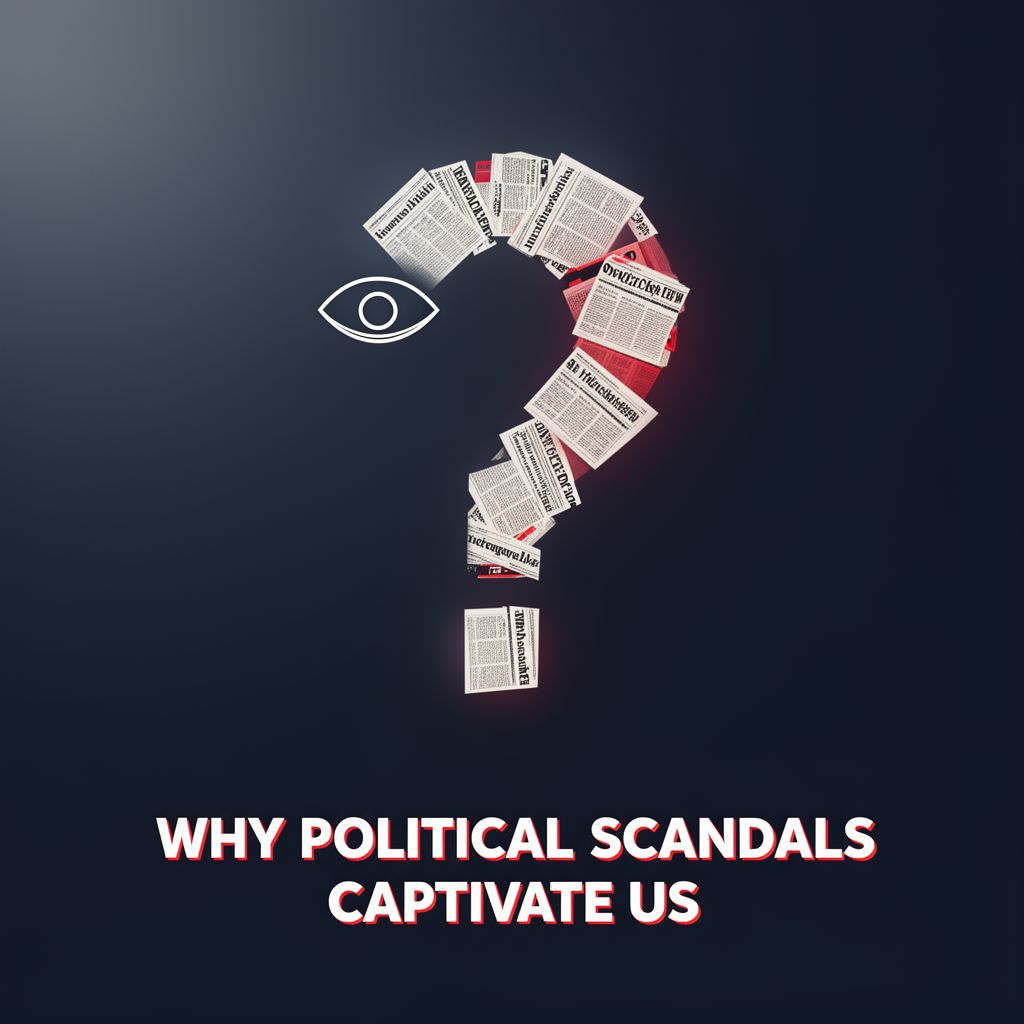
The Irresistible Pull of Political Scandals: A Study Guide
Source Information: This study material is compiled from a lecture audio transcript discussing the psychological, social, and media-related reasons behind our fascination with political scandals.
📚 Introduction: Why Political Scandals Captivate Us
Political scandals consistently grab our attention, often becoming a central focus in news cycles and public discourse. This study guide explores the multifaceted reasons behind this widespread fascination, delving into human psychology, the role of media, and the broader societal implications. Understanding this phenomenon offers insights into human nature and the dynamics of political systems.
1️⃣ Psychological Factors Behind Our Fascination
Our brains are wired to react strongly to certain stimuli, and political scandals tap into several fundamental psychological drives.
✅ Human Curiosity
- Deviation from the Norm: We are naturally drawn to anything that breaks from routine or expectation. Scandals represent a significant deviation from the expected conduct of those in power.
- High Stakes & Secrets: The involvement of power, secrets, and significant consequences creates a compelling narrative, much like a real-life drama.
- Narrative Appeal: Scandals offer a story with conflict, unexpected turns, and unfolding events, which inherently captures human interest.
✅ Moral Outrage & Desire for Justice
- Breach of Trust: When individuals in positions of power, who are expected to uphold high standards, fail to do so, it triggers a strong emotional response.
- Sense of Betrayal: This failure can lead to feelings of betrayal, as the "social contract" – the implicit agreement that power comes with integrity – is perceived as broken.
- Demand for Accountability: There is a fundamental human desire to see consequences for wrongdoing, especially when it involves those entrusted with public welfare. We want justice to be served.
2️⃣ Emotional & Entertainment Aspects
Beyond basic curiosity and moral indignation, other emotional and entertainment elements contribute to our engagement with scandals.
✅ Schadenfreude
- Pleasure in Misfortune: This German term describes the pleasure derived from another person's misfortune.
- Leveling Effect: Seeing powerful figures, who often seem untouchable, brought down can provide a sense of satisfaction, reminding us that no one is above the law or immune to human failings.
- Consequences for the "Arrogant": For some, it offers a fleeting sense of satisfaction to see individuals perceived as arrogant or corrupt finally face repercussions.
✅ Entertainment Value
- Compelling Story Elements: Political scandals often contain all the ingredients of a captivating story:
- Heroes and villains
- Secrets and betrayals
- Intriguing investigations
- Dramatic revelations
- Media Amplification: The media plays a crucial role in amplifying these elements, reporting every detail and analyzing every angle, often framing events to maximize their dramatic appeal.
- "Unscripted Reality Show": Scandals can be likened to a continuous, unscripted reality show, making them highly engaging for the audience.
3️⃣ Societal Implications & Reflection
Political scandals are not just personal dramas; they also serve as a mirror reflecting societal values and influencing democratic processes.
✅ Reflection of Societal Values
- Collective Moral Compass: What a society deems "scandalous" reveals its collective priorities, ethical boundaries, and expectations for its leaders.
- Sparking Conversations: Scandals can initiate important public discussions about ethics, transparency, and the desired quality of governance.
✅ Accountability in Leadership
- Demanding Better: While often unsettling, scandals can be crucial for a healthy democracy by forcing society to confront difficult truths and demand higher standards from those in power.
- Reinforcing Standards: They serve as a mechanism to hold leaders accountable and reinforce the importance of integrity and ethical conduct in public office.
💡 Conclusion: A Complex Human Phenomenon
Our attraction to political scandals is a complex interplay of deep-seated human psychology – including curiosity, a desire for justice, and even schadenfreude – combined with the dramatic narratives amplified by the media, and our fundamental need for accountability in leadership. These events, while often disruptive, play a significant role in shaping public opinion and can ultimately contribute to a more transparent and accountable democratic system.