 Podit
Podit
This content is based on a YouTube video.
📚 The Battle of Talas and the Turks' Acceptance of Islam
🌍 Introduction: A Turning Point in History
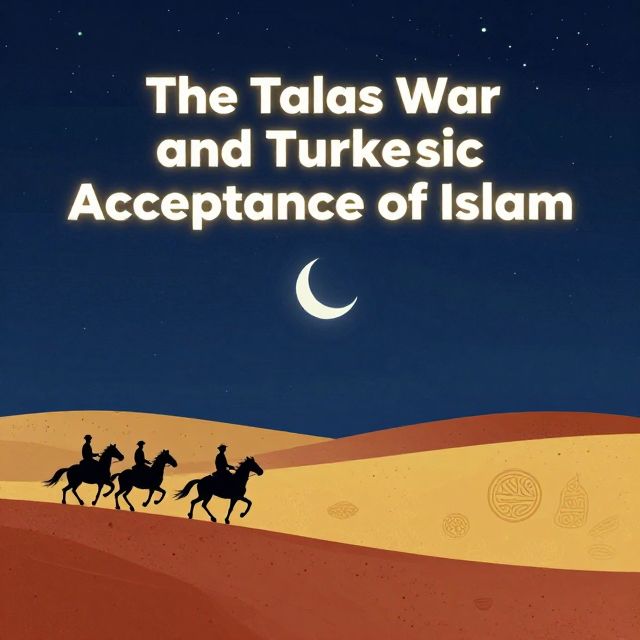
History is punctuated by pivotal moments that fundamentally reshape civilizations. One such event is the Battle of Talas in 751 AD, a clash that profoundly influenced the trajectory of Turkic peoples and the spread of Islam. This study material will explore the battle itself, its immediate aftermath, and the long-term factors that led to the widespread adoption of Islam among the Turks, uncovering a fascinating chapter in world history.
⚔️ The Battle of Talas: Clash of Empires (751 AD)
The mid-8th century witnessed the expansion of two major powers in Central Asia: the Abbasid Caliphate (representing the Islamic world) and the Tang Dynasty of China. Their ambitions for regional dominance and control over vital trade routes inevitably led to conflict.
📍 Setting the Scene
- Location: Near the Talas River, in what is modern-day Kyrgyzstan.
- Primary Forces:
- Abbasid Army: Supported by their Turkic allies.
- Tang Chinese Forces: A powerful imperial army.
- Spark for Conflict:
- Control over the lucrative Silk Road trade routes.
- Regional dominance in Central Asia.
🔄 A Crucial Turning Point
During the battle, a significant event altered its course:
- The Karluks, a Turkic tribal confederation initially allied with the Chinese, switched their allegiance to the Abbasids.
- This defection severely weakened the Tang forces, leading to their decisive defeat.
✅ Immediate Consequences of the Battle
- Easternmost Abbasid Expansion: The battle marked the furthest eastward expansion of the Abbasid Caliphate.
- Halted Tang Westward Expansion: It effectively stopped the Tang Dynasty's westward territorial ambitions.
- Cultural and Religious Exchange: Beyond territorial gains, the battle opened new pathways for significant cultural and religious interactions between the Islamic world and Central Asia.
- Transfer of Technology: A notable outcome was the transfer of Chinese papermaking technology to the West, a major innovation that had far-reaching effects.
🕌 The Turks' Acceptance of Islam: A Gradual Transformation
While the Battle of Talas is often cited as a catalyst, it is crucial to understand that the Turks' acceptance of Islam was a gradual process, not an overnight conversion. The battle certainly brought Turkic tribes into closer contact with the Islamic world, but deeper factors drove the widespread adoption of the new faith.
💡 Factors Making Islam Appealing to Turks
Several key elements contributed to Islam's resonance with Turkic peoples:
-
Abbasid Treatment of Turkic Peoples:
- Unlike previous empires, the Abbasids often treated their Turkic allies and subjects with greater respect.
- They offered significant opportunities within the military and administration, which appealed to Turkic warriors and leaders.
-
Monotheistic Nature of Islam:
- Islam's emphasis on one God (Allah) resonated with some existing Turkic beliefs, particularly their reverence for a sky god, Tengri. This provided a conceptual bridge for conversion.
-
Role of Sufi Mystics and Traders:
- Sufi mystics and traders played a pivotal role in spreading Islam peacefully.
- These charismatic figures traveled extensively along the Silk Road, sharing Islamic teachings.
- They often integrated local customs and traditions into their approach, making Islam more accessible and less alien to Turkic communities.
⏳ The Process of Conversion
Over centuries, through a combination of factors, Turkic tribes gradually embraced Islam:
- Trade: Economic interactions fostered cultural and religious exchange.
- Intermarriage: Marriages between Turkic and Muslim communities facilitated conversion.
- Influence of Sufi Orders: The teachings and community structures of Sufi orders provided a spiritual and social framework for new converts.
👥 Key Turkic Tribes and Their Conversion
Prominent Turkic tribes that gradually adopted Islam include:
- The Karluks (who played a role in the Battle of Talas).
- The Oghuz Turks.
- Later, the Seljuks, who would go on to establish powerful Islamic empires.
📈 Profound Transformation
This religious shift was not merely spiritual; it led to a profound cultural, political, and social transformation among Turkic peoples. They became integral to the Islamic world, forming powerful states and empires that would shape global history for centuries.
🌟 Conclusion: Lasting Legacy
The Battle of Talas and the subsequent acceptance of Islam by Turkic peoples left an indelible mark on world history.
- Immediate Impact of the Battle: Solidified Islamic control over Central Asia and facilitated the transfer of crucial technologies like papermaking to the West.
- Long-Term Impact: Set the stage for the widespread conversion of Turkic peoples to Islam, leading to a massive cultural, political, and social transformation.
- Rise of Islamic Turkic Empires: Once converted, the Turks became fervent defenders and expanders of the Islamic faith, establishing powerful empires such as the Seljuks and the Ottomans. These empires played crucial roles in the development and spread of Islamic civilization.
Understanding this period helps us appreciate the complex interplay of military conflict, cultural exchange, and religious conversion that shaped the medieval world. It serves as a testament to how a single event can ripple through time, forever altering the course of human history.