 Podit
Podit
This study material has been compiled from a provided lecture audio transcript and copy-pasted text.
Post-War Britain: Transformations and Tensions (1940s-1970s) 🇬🇧
📚 Introduction: A Nation in Flux
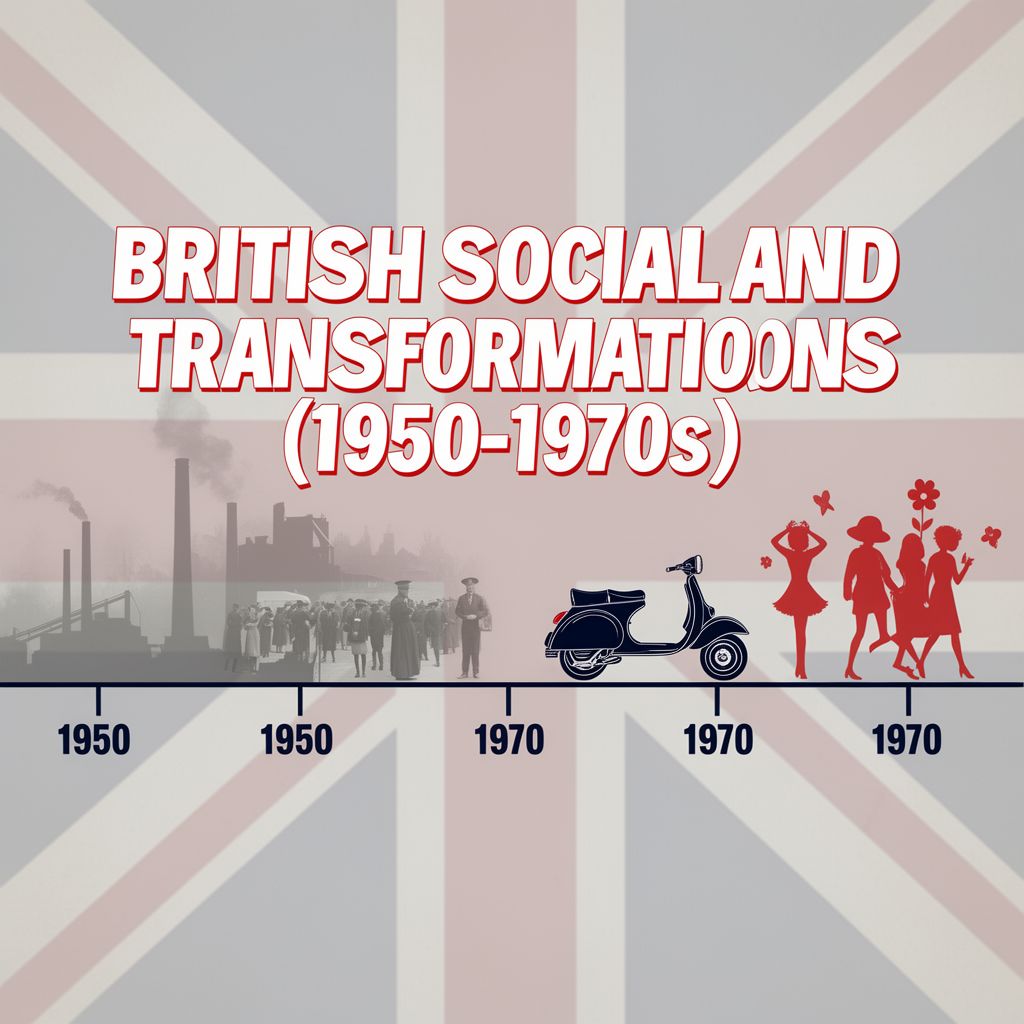
From the 1950s onwards, Britain experienced profound social, cultural, and political shifts. The decline of the British Empire, increased immigration, the women's movement, and the rise of youth culture collectively reshaped British identity and fostered a more diverse society. These transformations significantly influenced the arts, initially supported by the Arts Council (founded 1948), which encouraged experimental work.
By the mid-1970s, economic challenges like inflation, unemployment, and strikes led to widespread dissatisfaction. The election of Margaret Thatcher in 1979 marked a significant turn towards free-market economics, individualism, and reduced state support, including cuts to arts funding. While this era saw increased inequality, it also inspired powerful artistic responses. The 1997 Labour government under Tony Blair brought renewed optimism and support for diversity, though public funding for the arts never fully recovered. The global financial crisis and subsequent Conservative-led coalition government in 2010 led to further public spending cuts, severely impacting the cultural sector.
1️⃣ The "New Jerusalem": Post-War Foundations (1940s-1950s)
The concept of the "New Jerusalem" refers to one of the most ambitious periods of social, economic, and political reform in British history. Emerging from the hardships of the early 20th century and the devastation of World War II, Britain aimed to rebuild itself as a more peaceful and equal society.
🌍 Britain Before the 1940s
Life in early 20th-century Britain was characterized by widespread poverty and inequality.
- ✅ Food shortages and unemployment were common.
- ✅ Most homes lacked basic amenities like indoor toilets.
- ✅ Children often left school in their early teens.
- ✅ The economy relied on private enterprise with no welfare state, NHS, pensions, or social insurance.
🛠️ Planning a New Society During WWII
During World War II, a strong cross-party consensus emerged that centralized state planning, rather than private enterprise, was essential for reform.
- 💡 Experts were to manage reform using scientific and rational methods.
- 📚 The Beveridge Report (1942): Identified major social problems and inspired reforms focusing on education, health, housing, and employment.
🏥 Labour and the Creation of the Welfare State
In 1945, Clement Attlee's Labour government came to power.
- ✅ Key industries were nationalized.
- ✅ By 1948, the Welfare State and the National Health Service (NHS) were established, embodying the "New Jerusalem" vision of care "from cradle to grave."
🤝 Limits, Austerity, and Political Consensus
Despite reforms, post-war Britain faced divisions and shortages.
- Labour lost power in 1951, but subsequent Conservative governments largely maintained these reforms, fostering a post-war consensus until the late 1970s.
- Both major parties supported welfare and state responsibility.
📈 Recovery and Consumer Society
The 1950s brought economic growth and rising living standards.
- ✅ Wages increased, and consumer goods became accessible.
- ✅ A new youth and consumer culture emerged, famously summarized by Harold Macmillan: "People have never had it so good."
2️⃣ Social Change and Public Anxiety (1950s)
Post-war shifts laid the groundwork for rapid social change but also widespread public anxiety. Despite economic recovery and full employment by the mid-1950s, social cohesion was not immediate.
💔 Lingering Scars and Class Structure
- The psychological wounds of war remained, shaping attitudes towards discipline and conformity.
- The Welfare State acted as a "bandage" rather than a cure, failing to fully address deep-seated class inequality.
- The rigid British class structure persisted, limiting social mobility for working-class youth despite their economic contributions.
💰 Youth Financial Independence
Economic recovery altered social dynamics significantly.
- Young people gained financial independence, easily finding work and earning disposable income.
- This led to increased leisure time and access to "non-essential" resources like music, fashion, and transportation.
- Commercial enterprises quickly targeted this new youth spending power, accelerating a cultural shift towards individual expression.
⚠️ Public Anxiety and Moral Panics
This visible youth consumption intensified public anxiety among the "austerity generation."
- Older generations, shaped by wartime loss and restraint, viewed youth "excess" as reckless and morally threatening.
- This gap in understanding led to youth groups being "scapegoated" by the media.
- A series of moral panics ensued, with the establishment fearing a decline in traditional moral authority.
3️⃣ The Debate About Popular Culture (1950s)
The rapid growth of popular culture in the 1950s, fueled by economic recovery and youth spending, sparked a national debate.
📺 Rise of New Media and Youth Culture
- After the war, people sought light entertainment, leading to the proliferation of TVs, magazines, and films.
- Teenagers, with disposable income, moved away from traditional lifestyles, frequenting coffee bars and music clubs.
- Record players and fashionable clothes became commonplace, marking the emergence of an independent youth culture.
🚨 The "Teddy Boys" Phenomenon
One of the earliest signs of this change was the emergence of the Teddy Boys in the mid-1950s.
- 📚 Definition: England's first youth subculture, adopting "Edwardian" style to symbolize working-class street identity.
- 📈 Their popularity peaked in 1954.
- ⚠️ Media Portrayal: The media strongly linked Teddy Boys to rising criminal activities (e.g., Notting Hill riot, gang violence), often exaggerating their role. They became targets for public blame, creating one of Britain's first moral panics about youth.
- 💡 This example shows how popular culture can reflect social change (challenging class boundaries) and shape public anxiety (media-created fear).
📺 Music, Television, and Media Fear
- Television: Commercial channels were targeted, with critics arguing that ads and game shows encouraged materialism among youth.
- Rock 'n' Roll: Seen as dangerous by older generations, its loud rhythms and lyrics were feared to promote "bad behavior" and a search for freedom.
- Media Exaggeration: Newspapers often blamed music and films for increased crime. Later studies showed youth behavior hadn't changed as dramatically as portrayed. The media was shaping public fear, not just reporting facts.
By the end of the 1950s, consumer culture had become a permanent part of British life, signaling a shift from wartime discipline towards individual freedom and enjoyment.
4️⃣ Progress and Pop: The 1960s
The 1960s were a decade of significant social liberalization and emerging tensions, moving Britain towards a more modern identity.
📉 Loss of Trust in Government
After 13 years in power, the Conservative Party began to lose public support.
- Suez Canal Crisis (1956): Damaged the government's reputation.
- The Profumo Affair (1963): Minister for War, John Profumo, resigned after lying to Parliament about an affair, making the government appear disorganized and dishonest.
🚀 Wilson's Technological Revolution
In 1964, Harold Wilson and the Labour Party won the election, promising to modernize Britain through the "white heat of the technological revolution."
- ✅ A consumer boom saw televisions, cars, and supermarkets become common.
- 🏆 National Pride (1966): England's World Cup victory created a moment of national unity.
⚖️ Social Reform and New Freedoms
The government moved away from strict Victorian-era rules, prioritizing personal freedom as the influence of the Church declined.
- ✅ Legal Reforms: Capital punishment suspended (1965); gambling legalized (1960); homosexuality decriminalized (1967).
- ✅ Youth Rights: Voting age lowered to eighteen (1969).
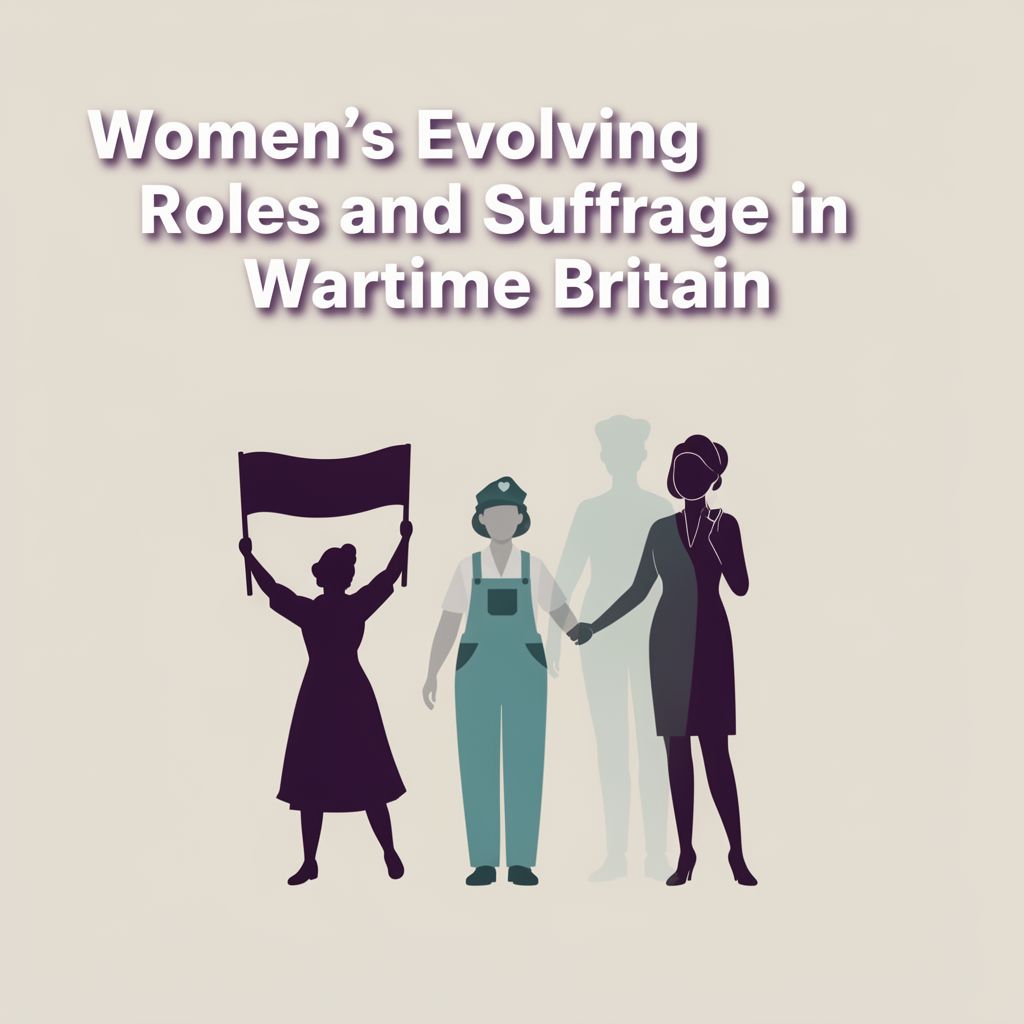
♀️ The Women's Movement
Women campaigned for equal rights, leading to crucial legal changes:
- ✅ Reproductive Rights: The 1967 Abortion Act legalized terminations; the 1967 Family Planning Act provided access to contraceptives. By 1974, the Pill was free for single women.
- ✅ Independence: The 1969 Divorce Reform Act allowed women to leave abusive marriages, enabling them to plan their own careers and futures.
💥 Racial Tension and Regional Conflict
As economic growth slowed around 1966, political divisions increased.
- Enoch Powell's "Rivers of Blood" Speech (1968): Warned against integration amidst growing West Indian immigration, fueling deep societal polarization despite his dismissal from the party.
- The Troubles (Northern Ireland): Civil unrest (1968) over equal treatment for Catholics and Protestants led to violent riots and British military intervention (1969), marking the start of a difficult new era.
By the end of the 1960s, Britain had transformed into a modern, liberated nation, yet it grappled with deep divisions over race, immigration, and regional nationalism.
5️⃣ Anger and Division: The 1970s
The 1970s began with a decline in optimism, as Britain entered a period of profound social division and economic turmoil.
📉 Economic Chaos and Power Cuts
- Failing Industries: Sectors like mining and shipbuilding struggled.
- Rampant Inflation: Reached a peak of 25% in 1974.
- Strikes and "Three-Day Week": Widespread strikes forced national power cuts and a "three-day week" to conserve fuel.
- "Economic Malaise": Despite Labour's return, deep-rooted economic problems persisted due to global oil prices and uncompetitive industries.
👥 Immigration and Racial Tension
- Massive immigration, particularly refugees from Kenya and Uganda, led to over a million Afro-Caribbean and Asian people living in Britain by 1974.
- This demographic shift, combined with economic anxiety, empowered extremist groups like the National Front to provoke racial tension.
- Events like the 1975 Spaghetti House siege intensified these conflicts.
⚖️ Paradox of Progress and Sexism
Despite economic struggles, some experienced prosperity (more houses, cars, modern architecture).
- ✅ Social Progress: The 1970 Equal Pay Act was a significant step for women's rights.
- ⚠️ Persistent Inequality: Women still earned 25% less than men and were often objectified in media.
- 💡 New freedoms like package holidays emerged, though some families sought familiar comforts abroad.
🤘 Youth Rebellion and Social Fragmentation
As the decade closed, a sense of desperation permeated society.
- Punk Movement: A shocking, visual protest by youth who felt abandoned by the system and faced a bleak future.
- Some youth explored "glam" aesthetics and radical politics (Marxism, anarchism).
- The popular press amplified fears by focusing on issues like football hooliganism.
- By the late 1970s, "British confidence" had dissolved into a fragmented society, setting the stage for significant national transformation.
✅ Conclusion
Post-war Britain underwent a complex evolution from the 1940s to the late 1970s. The initial vision of a "New Jerusalem" established a comprehensive welfare state and fostered a post-war consensus aimed at social equality. This period also saw the rise of a consumer society and a distinct youth culture, which, while signifying progress, generated public anxiety. The 1960s brought further social liberalization and legal reforms, yet also introduced significant divisions related to race, immigration, and regional conflicts. The 1970s were characterized by economic turmoil, social fragmentation, and a decline in national optimism, culminating in widespread strikes, inflation, and the emergence of youth rebellion. Throughout these decades, Britain transitioned from a traditional, empire-oriented nation to a modern, yet often divided, society grappling with its evolving identity and socio-economic challenges.