Introduction to Audiology: Your Hearing Explained - kapak
Sağlık#audiology#hearing#ear anatomy#hearing loss

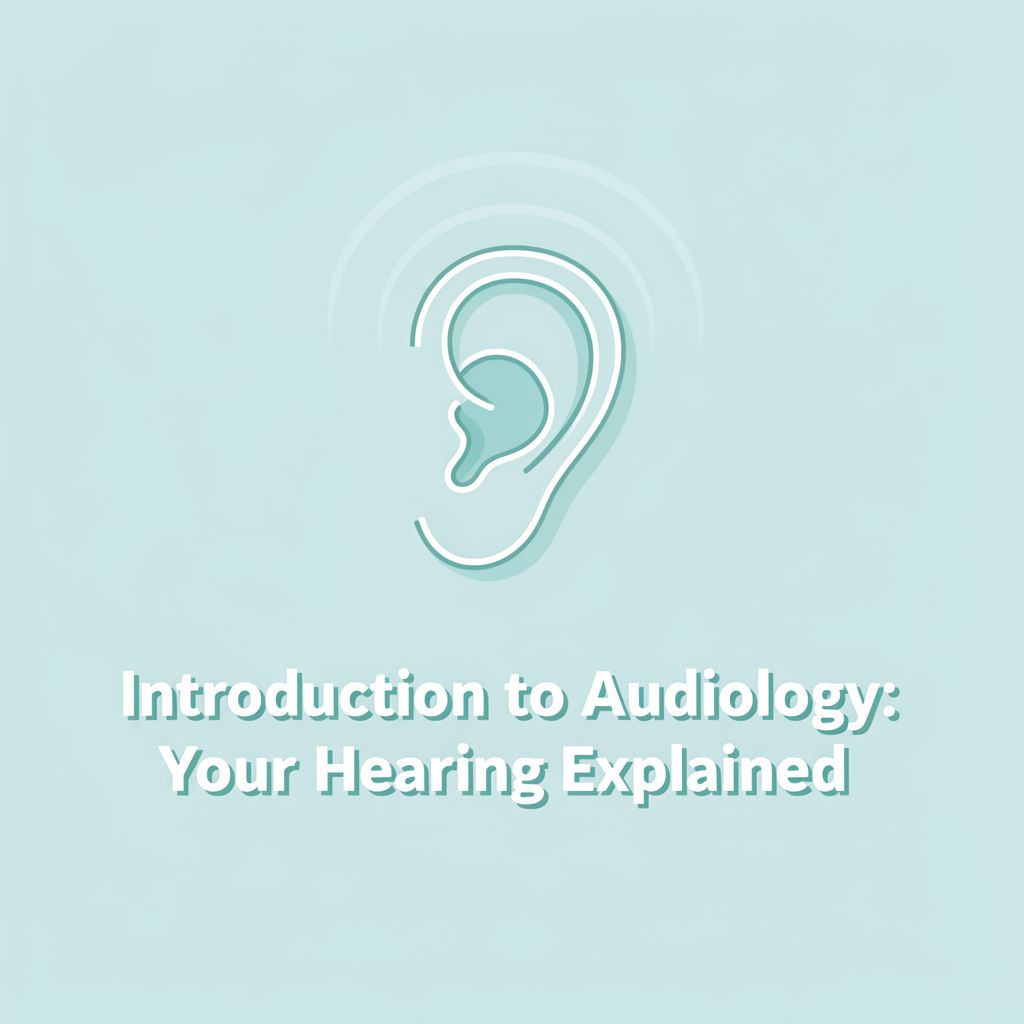
Introduction to Audiology: Your Hearing Explained

Discover the fascinating world of audiology! Learn how your ears work, common hearing issues, and the vital role audiologists play in keeping your hearing healthy.

December 19, 2025 ~8 dk toplam
01

Flash Kartlar

25 kart

Karta tıklayarak çevir. ← → ile gez, ⎵ ile çevir.

1 / 25
Tüm kartları metin olarak gör
  1. 1. What is the primary function of the outer ear?

    The outer ear collects sound waves and directs them down the ear canal, acting like a funnel.

  2. 2. Which part of the ear vibrates when sound waves hit it?

    The eardrum, a thin membrane, vibrates when sound waves make contact with it.

  3. 3. Name the three tiny bones in the middle ear.

    The three tiny bones in the middle ear are the Malleus (hammer), Incus (anvil), and Stapes (stirrup).

  4. 4. What is the main function of the middle ear bones?

    These bones amplify the vibrations from the eardrum, making them stronger before sending them to the inner ear.

  5. 5. What is the snail-shaped structure in the inner ear called?

    The snail-shaped structure in the inner ear is called the cochlea.

  6. 6. What are the tiny cells in the cochlea responsible for converting vibrations into electrical signals?

    Thousands of tiny hair cells within the cochlea are responsible for converting mechanical vibrations into electrical signals.

  7. 7. How are electrical signals from the inner ear transmitted to the brain?

    Electrical signals generated in the inner ear are sent along the auditory nerve directly to the brain for interpretation as sound.

  8. 8. What is the definition of Conductive Hearing Loss?

    Conductive hearing loss occurs when there's a problem in the outer or middle ear preventing sound from effectively reaching the inner ear.

  9. 9. Give an analogy for Conductive Hearing Loss.

    An analogy for conductive hearing loss is a clogged pipe, which prevents proper flow of sound.

  10. 10. List two common causes of Conductive Hearing Loss.

    Common causes include earwax buildup, ear infections, or a perforated eardrum.

  11. 11. Is Conductive Hearing Loss usually temporary or permanent?

    Conductive hearing loss is often temporary and treatable, sometimes with medication or minor surgery.

  12. 12. What is Sensorineural Hearing Loss?

    Sensorineural hearing loss occurs due to damage to the inner ear's hair cells in the cochlea or the auditory nerve itself.

  13. 13. What analogy is used to describe Sensorineural Hearing Loss?

    Sensorineural hearing loss is analogous to a damaged microphone or faulty wiring.

  14. 14. Name two causes of Sensorineural Hearing Loss.

    Causes include exposure to loud noise, aging, genetics, or certain medications.

  15. 15. Is Sensorineural Hearing Loss typically temporary or permanent?

    Sensorineural hearing loss is often permanent due to the nature of the damage.

  16. 16. What defines Mixed Hearing Loss?

    Mixed hearing loss is a combination of both conductive and sensorineural hearing loss issues.

  17. 17. Who is an audiologist?

    An audiologist is a healthcare professional specializing in diagnosing, treating, and managing hearing and balance disorders.

  18. 18. What are two main functions of an audiologist?

    Audiologists diagnose hearing issues using special tests and recommend solutions for treatment and management.

  19. 19. Name two solutions an audiologist might recommend for hearing loss.

    Solutions include hearing aids, cochlear implants, and strategies to protect hearing from future damage.

  20. 20. What is the primary goal of an audiologist?

    The primary goal of an audiologist is to help individuals communicate better and improve their quality of life.

  21. 21. List one key step to protect your hearing.

    One key step to protect your hearing is to protect your ears from loud noises.

  22. 22. When should you seek help from an audiologist regarding your hearing?

    You should seek help from an audiologist if you notice any changes in your hearing or have concerns.

  23. 23. What happens after electrical signals are sent to the brain via the auditory nerve?

    The brain then interprets these electrical signals as sound, allowing us to perceive what we hear.

  24. 24. What is the overall purpose of the study guide on Audiology?

    The purpose is to introduce how our ears work, what happens when hearing is impaired, and the role of audiologists in managing hearing health.

  25. 25. What is the role of hair cells in the inner ear?

    Hair cells convert the mechanical vibrations into electrical signals that are then sent to the brain.

02

Detaylı Özet

3 dk okuma

Tüm konuyu derinlemesine, başlık başlık.

📚 Introduction to Audiology: Understanding Hearing and Hearing Loss

🎯 Overview

Welcome to this study guide on the fascinating field of Audiology! This material provides an introduction to how our ears work, what happens when hearing is impaired, and the role of audiologists in managing hearing health. According to the lecture recording, understanding these basics is crucial for appreciating the complexity of our auditory system and the importance of protecting it.


1️⃣ The Marvel of Your Ear: How We Hear

According to the lecture recording, the ear is a complex and amazing organ, functioning like a sophisticated microphone and processor. The process of hearing involves several stages:

👂 1.1 Outer Ear Function

Collection: The outer ear, the visible part, acts like a funnel. ✅ Direction: It collects sound waves and directs them down the ear canal.

👂 1.2 Middle Ear Function

Vibration: Sound waves hit the eardrum, a thin membrane, causing it to vibrate. ✅ Amplification: These vibrations are then passed to three tiny bones: * Malleus (hammer) * Incus (anvil) * Stapes (stirrup) These bones amplify the vibrations, making them stronger before sending them to the inner ear.

👂 1.3 Inner Ear Function

Conversion: The inner ear contains the cochlea, a snail-shaped structure filled with fluid and thousands of tiny hair cells. ✅ Signal Generation: When amplified vibrations reach the cochlea, the fluid moves, bending these delicate hair cells. This bending motion converts the mechanical vibrations into electrical signals. ✅ Brain Interpretation: These electrical signals are sent along the auditory nerve directly to the brain, which then interprets them as sound.


2️⃣ When Hearing Goes Wrong: Understanding Hearing Loss

According to the lecture recording, hearing loss isn't just about not hearing anything; it often involves difficulty understanding speech, especially in noisy environments. Understanding the different types of hearing loss is key to diagnosis and treatment.

2.1 Types of Hearing Loss

2.1.1 Conductive Hearing Loss

📚 Definition: Occurs when there's a problem in the outer or middle ear that prevents sound from effectively reaching the inner ear. ⚠️ Analogy: Like a clogged pipe, preventing proper flow. ✅ Causes: * Earwax buildup * Ear infections * Perforated eardrum ✅ Characteristics: Often temporary and treatable. 💡 Treatment: May involve medication or minor surgery.

2.1.2 Sensorineural Hearing Loss

📚 Definition: Occurs due to damage to the inner ear (specifically the hair cells in the cochlea) or the auditory nerve itself. ⚠️ Analogy: Like a damaged microphone or faulty wiring. ✅ Causes: * Exposure to loud noise * Aging * Genetics * Certain medications ✅ Characteristics: Often permanent.

2.1.3 Mixed Hearing Loss

📚 Definition: A combination of both conductive and sensorineural hearing loss issues.


3️⃣ The Audiologist's Role and Protecting Your Hearing

According to the lecture recording, audiologists play a crucial role in managing hearing health.

3.1 The Role of an Audiologist

📚 Definition: An audiologist is a healthcare professional specializing in diagnosing, treating, and managing hearing and balance disorders. ✅ Functions: * Diagnosis: Use special tests to determine the exact nature of hearing issues. * Treatment & Management: Recommend solutions. 💡 Solutions include: * Hearing aids * Cochlear implants * Strategies to protect hearing from future damage. ✅ Goal: To help individuals communicate better and improve their quality of life.

3.2 Protecting Your Hearing

⚠️ Importance: Your hearing is precious. ✅ Key Steps: 1. Protect your ears from loud noises. 2. Get regular check-ups if you notice any changes in your hearing. 3. Seek help from an audiologist if you have concerns.


✅ Conclusion

According to the lecture recording, this introduction to audiology highlights the intricate process of hearing, the various ways it can be impaired, and the vital role of audiologists in providing care. Taking good care of your ears is essential for maintaining your quality of life.
Kendi çalışma materyalini oluştur

PDF, YouTube videosu veya herhangi bir konuyu dakikalar içinde podcast, özet, flash kart ve quiz'e dönüştür. 1.000.000+ kullanıcı tercih ediyor.

Sıradaki Konular

Tümünü keşfet
Active Middle Ear Implants: History, Technology, and Candidacy

Active Middle Ear Implants: History, Technology, and Candidacy

Explore the evolution, technological principles, modern systems, and candidacy criteria for active middle ear implants, offering a comprehensive look at this advanced hearing solution.

Özet 25 15
Understanding Body Functions and Disease Mechanisms

Understanding Body Functions and Disease Mechanisms

Explore the intricate processes of human digestion, the robust immune system, and the complexities of various diseases including bacterial, viral, parasitic, fungal infections, cancer, and psychological illnesses.

Özet 25 15
Understanding Menopause and Comprehensive Nursing Care

Understanding Menopause and Comprehensive Nursing Care

Explore the physiological and psychosocial changes of menopause, its health risks, treatment options, and essential nursing approaches for holistic care.

9 dk Özet 25 15
Family Planning and Counseling Services

Family Planning and Counseling Services

This podcast provides an in-depth look into family planning and counseling services, covering risky pregnancies, their consequences, service aims, and policy evolution in Turkey.

Özet 23
Accessory Structures of the Eye: An Overview

Accessory Structures of the Eye: An Overview

An educational overview of the eye's key accessory structures as identified in the source document: the Lens, the Vitreous Body, and the Aqueous Humour.

3 dk 22 10
Essential Vitamins: A Deep Dive into Vitamin A and D

Essential Vitamins: A Deep Dive into Vitamin A and D

Explore the forms, sources, metabolism, functions, and health implications of Vitamin A and Vitamin D, crucial for vision, bone health, and immune function.

Özet 15
Vitamin D Deficiency and Calcium Disorders

Vitamin D Deficiency and Calcium Disorders

An in-depth look into Vitamin D metabolism, deficiency, and various calcium disorders including hypoparathyroidism and associated genetic syndromes.

Özet 25 15
The Digestive System: An Academic Overview

The Digestive System: An Academic Overview

An academic summary of the human digestive system, detailing its organs, processes, and functions, from mechanical breakdown to nutrient absorption and waste elimination.

4 dk Özet 25 15