 Podit
Podit
📚 A2 English Exit Exam Study Guide
This study material is designed to help you prepare for your A2 English exit exam. It combines key information and strategies to ensure you feel confident and well-prepared.
Introduction: Navigating Your A2 English Exam
Facing an A2 English exit exam is a significant step in your language learning journey. This exam serves as proof of your ability to handle everyday situations using basic English. It's an opportunity to consolidate your foundational skills and demonstrate your progress. This guide will clarify what the A2 level entails, outline typical exam structures, and provide actionable strategies to help you succeed.
1. Understanding the A2 English Level
The A2 level, according to the Common European Framework of Reference for Languages (CEFR), is known as 'Waystage' or 'Elementary'. At this stage, you should be able to:
- ✅ Understand and use frequently used expressions and simple sentences.
- ✅ Communicate about areas of immediate relevance (e.g., personal information, family, shopping, local geography, employment).
- ✅ Introduce yourself and others.
- ✅ Ask and answer basic questions about personal details.
- ✅ Interact in a simple way, provided the other person speaks slowly and clearly.
💡 Insight: Think of A2 as the level where you can manage basic survival English in common, predictable situations.
2. A2 English Exam Structure
While specific exam formats can vary, most A2 exit exams assess four core language skills. It is crucial to confirm the exact format of your specific exam to tailor your practice effectively.
2.1. Reading (Okuma)
- Task Type: Understanding short, simple texts.
- Examples: Advertisements, menus, short emails, notices, simple articles.
- Skills Tested:
- Grasping the main idea of a text.
- Identifying specific details or information.
2.2. Listening (Dinleme)
- Task Type: Understanding short, simple spoken interactions.
- Examples: Short conversations, announcements, instructions, simple descriptions.
- Skills Tested:
- Extracting key information.
- Understanding the gist of a conversation.
2.3. Writing (Yazma)
- Task Type: Producing short, simple written pieces.
- Examples: Short notes, messages, emails, postcards, simple descriptions of people or events.
- Skills Tested:
- Constructing simple sentences and short paragraphs.
- Communicating basic information clearly.
2.4. Speaking (Konuşma)
- Task Type: Engaging in basic spoken interaction.
- Examples:
- Introducing yourself and others.
- Answering personal questions (e.g., about hobbies, work, daily routine).
- Describing pictures or simple situations.
- Participating in simple role-plays (e.g., asking for directions, ordering food).
- Skills Tested:
- Fluency and coherence at a basic level.
- Pronunciation and intonation.
- Ability to respond to simple questions.
3. Key Areas to Focus On for Success
To excel in your A2 exam, concentrate your efforts on specific grammar points, vocabulary expansion, and targeted skills practice.
3.1. Grammar Essentials
A solid grasp of these grammatical structures is fundamental for A2 communication:
- ✅ Tenses:
- Present Simple (e.g., I work, she eats)
- Present Continuous (e.g., I am working, they are eating)
- Past Simple (e.g., I worked, he ate)
- Basic uses of Present Perfect (e.g., I have been to London)
- ✅ Future Forms:
- 'will' (e.g., I will go)
- 'going to' (e.g., I am going to study)
- ✅ Comparatives and Superlatives: (e.g., bigger, the biggest, more interesting, the most interesting)
- ✅ Modal Verbs: Basic uses of 'can', 'must', 'should' (e.g., I can swim, You must study, You should rest)
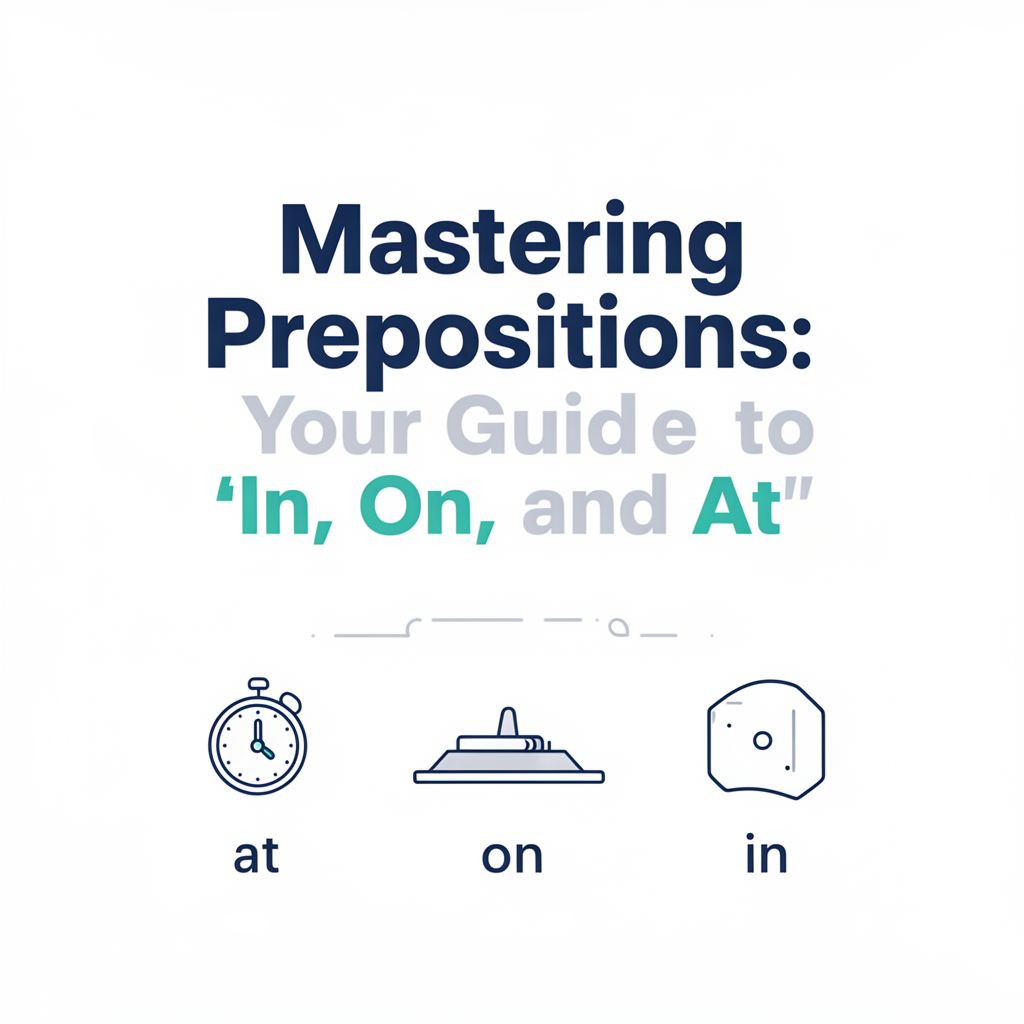
- ✅ Prepositions: Common prepositions of time (e.g., at, on, in) and place (e.g., in, on, under, next to)
- ✅ Basic Connectors: 'and', 'but', 'because', 'so'
3.2. Vocabulary Expansion
Build your word bank around everyday topics. This will enable you to discuss common situations effectively.
- Common Topics:
- Family and friends
- Hobbies and free time
- Work and studies
- Travel and holidays
- Food and drink
- Shopping and daily errands
- Weather and seasons
- Descriptions of people, places, and objects
- Word Types:
- Common adjectives (e.g., happy, big, difficult)
- Common adverbs (e.g., quickly, often, very)
- Frequently used phrasal verbs (e.g., get up, turn on, look for)
3.3. Targeted Skills Practice
- Reading:
- 💡 Practice scanning texts quickly to find specific information.
- 💡 Work on identifying the main idea of short paragraphs.
- Listening:
- 💡 Watch simple English videos or listen to podcasts designed for learners.
- 💡 Focus on understanding keywords and the overall context, rather than every single word. Aim for the "gist."
- Writing:
- 💡 Practice constructing clear, simple sentences.
- 💡 Write short paragraphs on familiar topics, focusing on basic grammar and vocabulary.
- 💡 Use basic connectors to link your ideas.
- Speaking:
- 💡 Answer common personal questions aloud.
- 💡 Describe pictures or objects in simple terms.
- 💡 Record yourself speaking to identify areas for improvement.
- 💡 If possible, find a language partner for conversation practice.
4. Study Strategies & Building Confidence
- Consistency is Key: Set aside dedicated time each day or week for practice. Regular, short study sessions are often more effective than infrequent, long ones.
- Mock Tests: Take practice exams to familiarize yourself with the exam environment, question types, and time constraints. This helps reduce anxiety on exam day.
- Review Mistakes: Don't just move on from errors. Understand why you made them and learn from them.
- Believe in Yourself: You've already made significant progress to reach the A2 level. With focused preparation, you are fully capable of succeeding.
Conclusion
Preparing for your A2 English exit exam involves a clear understanding of the A2 level, familiarity with the exam structure, and strategic focus on grammar, vocabulary, and all four skills. Embrace consistent practice and review, and remember that every effort contributes to your confidence and success. Good luck with your exam!